Broccoli Sprouts: What the Research Says (Benefits, Sulforaphane, and How to Grow Them at Home)
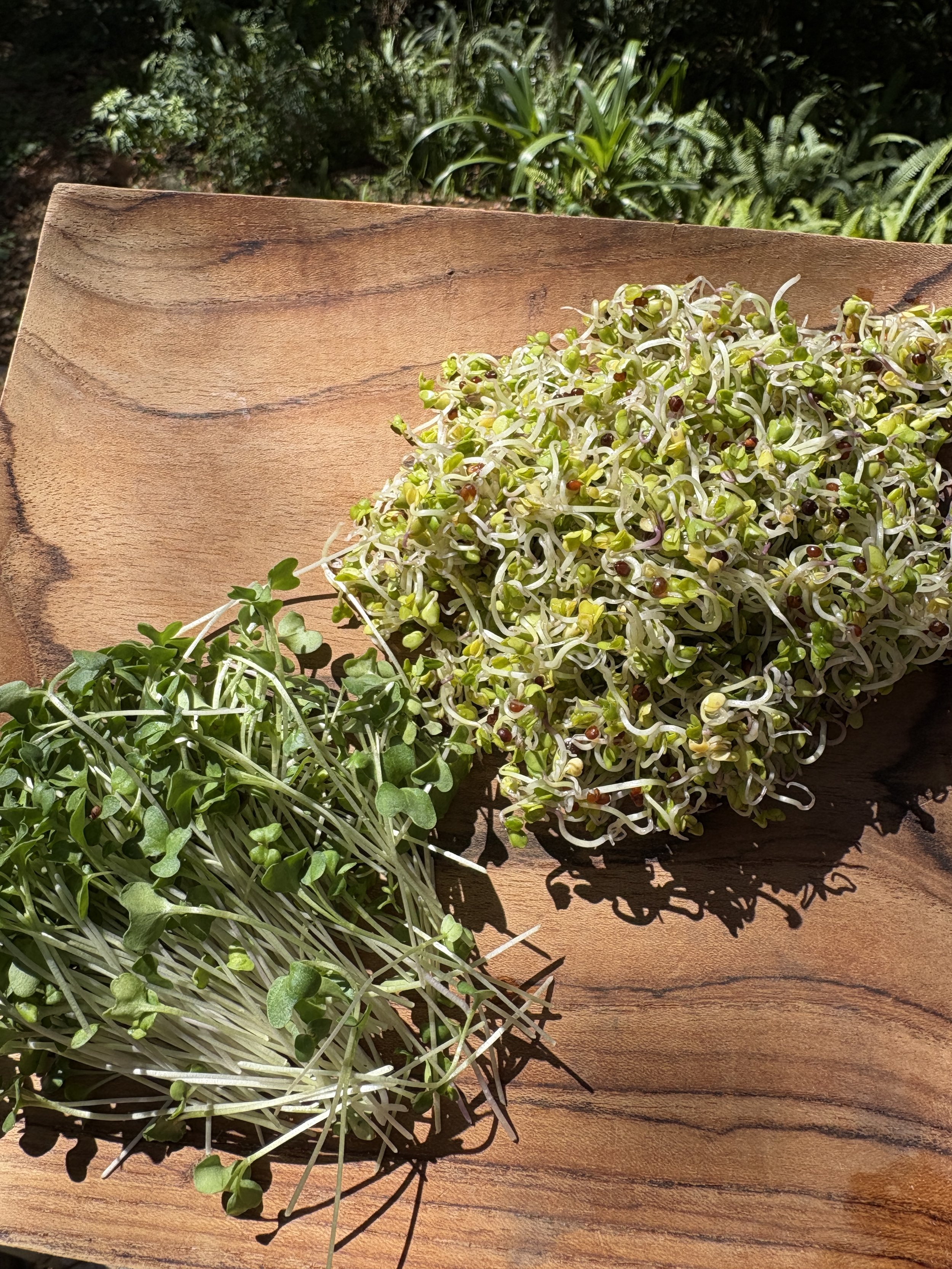
Why Broccoli Sprouts Are Getting So Much Attention
If you’ve been hearing about broccoli sprouts lately, you’re not alone.
More people are looking for simple ways to support their health without overhauling their entire diet. Broccoli sprouts have gained attention because they offer a small, practical step that fits into everyday life.
They are easy to grow, quick to harvest, and backed by research that continues to explore their potential benefits.
So what does the research actually say, and how can you use it in a practical way?
What Are Broccoli Sprouts?
Broccoli sprouts are young broccoli plants harvested just a few days after germination.
They are typically ready in 3 to 5 days and can be grown right on your kitchen counter.
At this early stage, the plant contains concentrated levels of certain compounds that decrease as the plant matures.
The Key Compound: Sulforaphane
The main reason broccoli sprouts are widely studied is because of a compound called sulforaphane.
Sulforaphane forms when two components interact:
• Glucoraphanin
• An enzyme called myrosinase
This reaction happens when the sprouts are chopped, chewed, or blended.
This is the compound most often associated with the potential benefits of broccoli sprouts.
What the Research Says About Broccoli Sprouts
Research on broccoli sprouts has focused heavily on sulforaphane and how it interacts with the body.
Studies suggest sulforaphane may support:
• Cellular defense systems
• Detoxification pathways
• Protection against oxidative stress
• Regulation of inflammation
Some research has also explored its potential role in:
• Cardiovascular health
• Metabolic health
• Brain health
One of the most consistent findings is that broccoli sprouts can contain significantly higher concentrations of glucoraphanin compared to mature broccoli.
That is what makes them unique.
Why This Matters in Everyday Life
Most people are not lacking information. They are lacking simple systems they can follow.
Broccoli sprouts offer something practical.
They are:
• Quick to grow
• Easy to incorporate into meals
• Accessible for beginners
• Consistent once you learn the process
You are not changing everything at once. You are adding something small that can become part of your daily routine.
Other Sprouts That Have Been Studied
Broccoli sprouts are the most researched, but they are not the only sprouts people grow at home.
Contain similar compounds and grow quickly. They have a stronger, peppery flavor.
One of the most commonly consumed sprouts, known for their mild taste and versatility.
Lentil Sprouts
Higher in protein and often used for more substantial meals.
These can all be grown using the same basic method, which makes it easy to expand once you get started.
How to Grow Broccoli Sprouts at Home
This is where things become simple and actionable.
You do not need a garden or special equipment. You just need a basic system you can follow consistently.
What You Need
• A jar
• A mesh lid or breathable cover
• Broccoli sprouting seeds
• Water
If you prefer a more streamlined setup, a complete sprouting kit puts everything in one place and removes guesswork.
Step-by-Step Process
1. Add seeds to your jar
2. Rinse and soak for several hours
3. Drain thoroughly
4. Rinse and drain 1 to 2 times per day
5. Keep the jar at an angle for airflow
6. Harvest in 3 to 7 days
Once you go through this process once, it becomes very easy to repeat.
Common Mistakes to Avoid
Most issues come down to a few simple things.
Not draining properly
Letting sprouts sit in water
Poor airflow
Using too many seeds
A simple, consistent system helps avoid these problems.
Why Many People Use a Sprouting Kit
You can piece everything together yourself.
But many people find it easier to start with a system that is already set up.
A sprouting kit helps by:
• Keeping the process simple
• Reducing common mistakes
• Making it easier to stay consistent
If your goal is to actually follow through and make this part of your routine, having everything in one place makes a difference.
Start Growing Broccoli Sprouts at Home
If you are looking for a simple way to add something fresh and functional to your meals, broccoli sprouts are one of the easiest places to start.
They grow quickly, require very little space, and can become part of your routine in just a few days.
If you want a straightforward way to get started, our sprouting kit gives you everything you need to grow broccoli sprouts and other varieties at home.
Check out our home sprouting kit here
FAQ
How long do broccoli sprouts take to grow
3 to 5 days from start to harvest
Do broccoli sprouts need sunlight
No, they grow well without direct sunlight
Can you eat broccoli sprouts raw
Yes, they are most commonly eaten raw
How do you store broccoli sprouts
Store in the fridge in a breathable container and use within a few days
References
This article is for educational purposes and summarizes findings from peer-reviewed research on broccoli sprouts and sulforaphane.
Fahey, J. W., Zhang, Y., & Talalay, P. (1997). Broccoli sprouts: An exceptionally rich source of inducers of enzymes that protect against chemical carcinogens. Proceedings of the National Academy of Sciences, 94(19), 10367–10372.
Clarke, J. D., Dashwood, R. H., & Ho, E. (2008). Multi-targeted prevention of cancer by sulforaphane. Cancer Letters, 269(2), 291–304.
Zhang, Y., & Talalay, P. (1994). Anticarcinogenic activities of organic isothiocyanates: Chemistry and mechanisms. Cancer Research, 54(7 Suppl), 1976s–1981s.
Angelino, D., & Jeffery, E. H. (2014). Glucosinolate hydrolysis and bioavailability of resulting isothiocyanates: Focus on sulforaphane. Nutrients, 6(10), 4434–4451.